
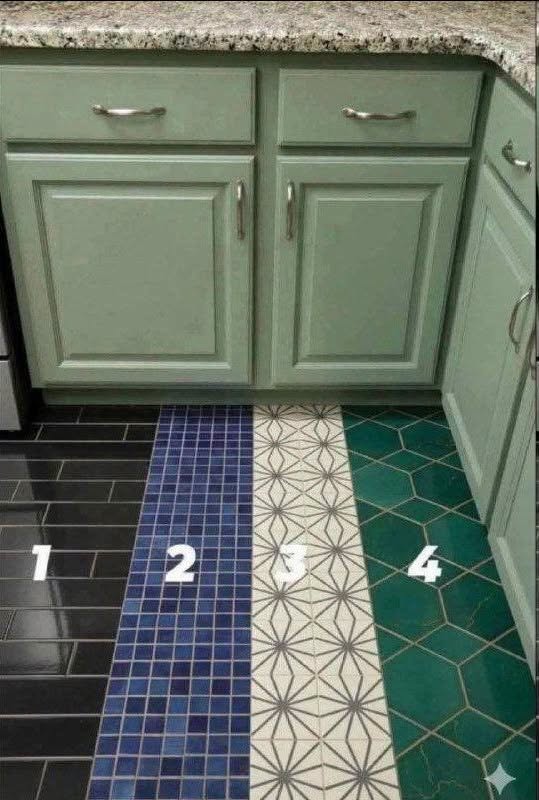
The kitchen is more than a place to cook. It’s where mornings begin, conversations unfold, and memories are made over shared meals. Yet when homeowners plan a kitchen renovation, they often focus heavily on countertops, cabinetry, and appliances while treating the floor as an afterthought.
That’s a missed opportunity.
Your kitchen floor covers the largest continuous surface in the room. It sets the visual foundation, influences how light moves through the space, and directly impacts how the room feels day-to-day. Choose wisely, and a simple tile selection can make a cramped kitchen feel airy, a sterile layout feel warm, or a dated space feel instantly current.
Here’s how to choose the right kitchen floor tile—and why design, texture, and style matter more than you might think.
🏡 Why the Right Floor Tile Changes Everything
Floor tiles aren’t just functional surfaces; they’re design anchors. The right choice can:
Alter perceived space: Light, large-format tiles make small kitchens feel open. Dark or highly patterned tiles add depth and intimacy.
Define the room’s mood: Matte finishes feel calm and grounded. Polished surfaces reflect light and feel elevated.
Tie disparate elements together: A well-chosen tile can bridge warm wood cabinets, cool stone countertops, and metallic hardware.
Impact daily living: The right texture and material affect comfort underfoot, slip resistance, cleaning ease, and long-term durability.
In short: your floor doesn’t just support your kitchen. It shapes it.
🔑 The 5 Key Elements to Consider Before Choosing
1. Material: Durability Meets Design
Material
Best For
Pros
Considerations
Porcelain
High-traffic, modern kitchens
Extremely durable, water-resistant, low maintenance, wide design range
Can feel hard/cold; requires professional installation
Ceramic
Budget-friendly, decorative styles
Affordable, easy to cut, vast color/pattern options
Less dense than porcelain; prone to chipping in heavy-use zones
Natural Stone (marble, slate, travertine)
Luxury, traditional, or organic aesthetics
Unique veining/patterns, timeless elegance
Requires sealing, stains easily, higher maintenance
Wood-Look Porcelain/Ceramic
Warmth of wood without the upkeep
Water-resistant, scratch-proof, realistic grain textures
Can feel cooler than real wood; grout lines interrupt plank flow
Cement/Encaustic
Statement floors, boho, vintage styles
Bold patterns, handcrafted feel, highly customizable
Porous; requires sealing; can crack under heavy impact
2. Color & Pattern: Setting the Visual Tone:
For Complete Cooking STEPS Please Head On Over To Next Page Or Open button (>) and don’t forget to SHARE with your Facebook friends
ADVERTISEMENT

