
2. The Importance of Soil pH
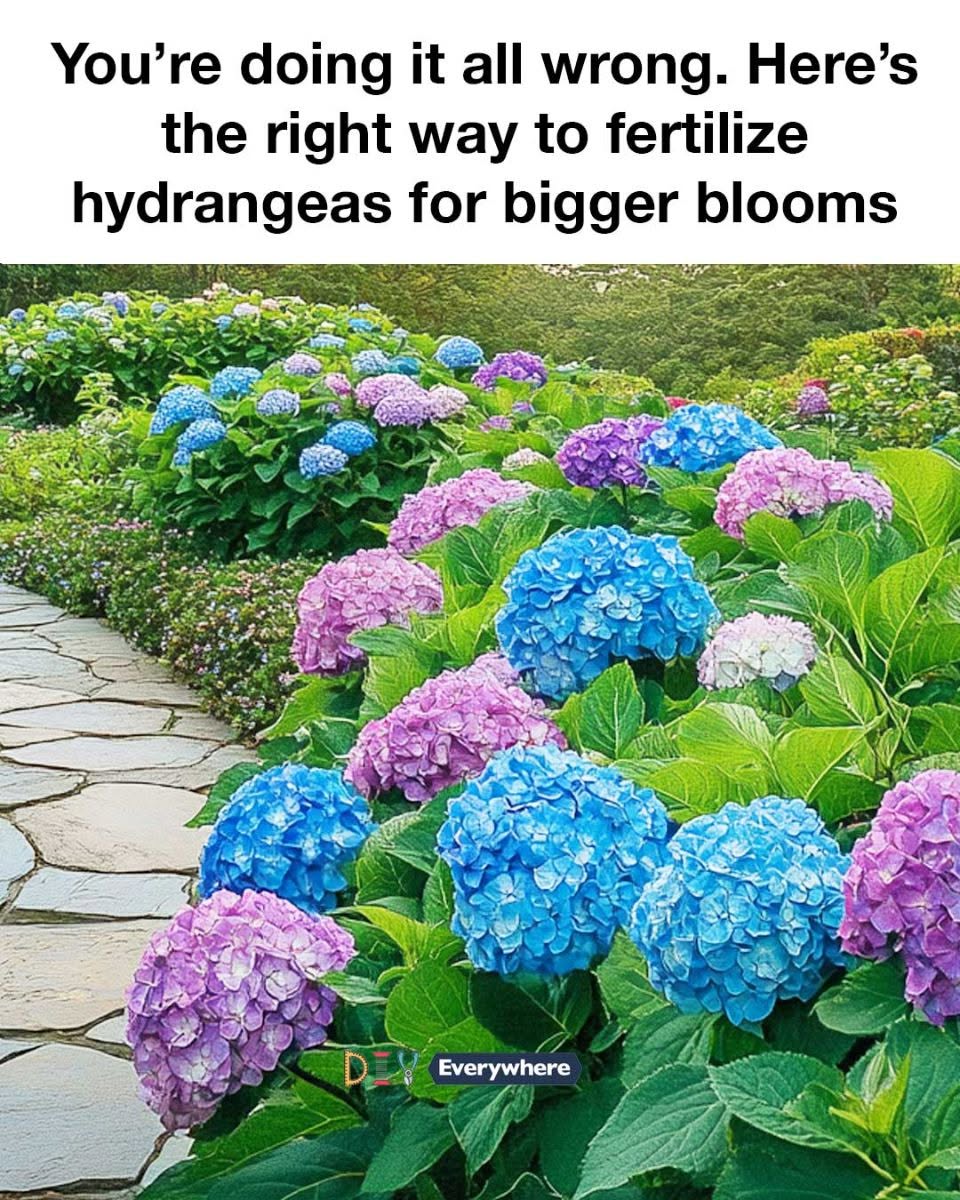
Soil pH plays a critical role in the color and health of hydrangea blooms, particularly for Bigleaf hydrangeas. A pH of 5.5 or lower will produce blue flowers, while a pH of 6.0 or higher will result in pink blooms. Testing your soil pH is the first step in determining the right fertilization strategy.
You can use a soil pH test kit, available at most garden centers, to measure your soil’s acidity or alkalinity. Adjusting the pH can be done by adding lime to raise it or sulfur to lower it, but these changes should be made gradually and monitored regularly.
3. Timing Your Fertilization
Timing is everything when it comes to fertilizing hydrangeas. The best time to fertilize is in early spring, just as the plants are beginning to leaf out. This timing ensures that the nutrients are available when the plants need them most for growth and bloom production.
A second application can be made in early summer, but avoid fertilizing after August as this can encourage new growth that may not harden off before winter, leading to damage.
4. Choosing the Right Fertilizer
Selecting the right fertilizer is crucial for promoting healthy growth and abundant blooms. A balanced, slow-release fertilizer with an N-P-K ratio of 10-10-10 or 12-4-8 is generally recommended for hydrangeas.
For those looking to enhance bloom color, specific fertilizers that adjust soil pH can be used. For instance, aluminum sulfate can be added to encourage blue blooms, while superphosphate can help maintain pink hues.
5. How to Apply Fertilizer Correctly
Proper application of fertilizer is key to avoiding damage and ensuring even distribution of nutrients. Begin by spreading the fertilizer evenly around the base of the plant, keeping it away from the stems to prevent burning.
Water the fertilizer in thoroughly to help it penetrate the soil and reach the roots. Be sure to follow the manufacturer’s instructions regarding the amount to use, as over-fertilizing can lead to excessive foliage growth at the expense of blooms.
6. Popular Fertilization Hacks: What Works and What Doesn’t
There are many home remedies and hacks for fertilizing hydrangeas, but not all are effective. Coffee grounds, for example, are often touted for their ability to acidify soil, but they should be used sparingly as they can also attract pests.
Eggshells are another popular hack, believed to add calcium to the soil. However, they break down slowly and may not provide immediate benefits. It’s important to research and test any DIY methods before applying them to your garden.
7. The Role of Organic Matter
Incorporating organic matter into your soil can greatly enhance its fertility and structure, providing a more hospitable environment for hydrangeas. Compost, well-rotted manure, and leaf mold are excellent sources of organic matter that can improve soil aeration and water retention.
Adding a 2-3 inch layer of organic mulch around your hydrangeas can also help maintain soil moisture and temperature, while gradually enriching the soil as it breaks down.
8. Watering Techniques to Enhance Fertilization
Proper watering is essential to complement your fertilization efforts. Hydrangeas require consistent moisture, especially during dry spells, to absorb nutrients effectively.
Water deeply but infrequently, aiming for about 1 inch of water per week, either from rainfall or supplemental irrigation. Avoid overhead watering, which can promote fungal diseases; instead, water at the base of the plant to keep foliage dry.
9. Avoiding Common Fertilization Mistakes
One of the most common mistakes is over-fertilizing, which can lead to lush foliage but fewer blooms. Always adhere to recommended application rates and avoid fertilizing late in the season.
Another mistake is neglecting to adjust fertilization based on plant response. If your hydrangeas are not blooming as expected, consider reassessing your fertilization strategy, including soil pH and nutrient balance.
10. Monitoring Plant Health and Adjusting Care
Regularly monitoring your hydrangeas for signs of nutrient deficiencies or excesses is crucial. Yellowing leaves can indicate a lack of nitrogen, while burnt leaf edges may suggest over-fertilization.
Adjust your care routine based on these observations, and consider conducting a soil test if problems persist. This proactive approach will help you maintain healthy, vibrant plants.
11. Seasonal Tips for Bigger Blooms
To maximize bloom size and quantity, tailor your care routine to the season. In spring, focus on fertilization and pruning to shape the plant and encourage new growth.
During summer, maintain consistent watering and monitor for pests and diseases. As fall approaches, reduce fertilization and allow the plant to harden off, preparing it for winter dormancy. By aligning your care with the plant’s natural growth cycle, you’ll be rewarded with stunning blooms year after year.
ADVERTISEMENT

