
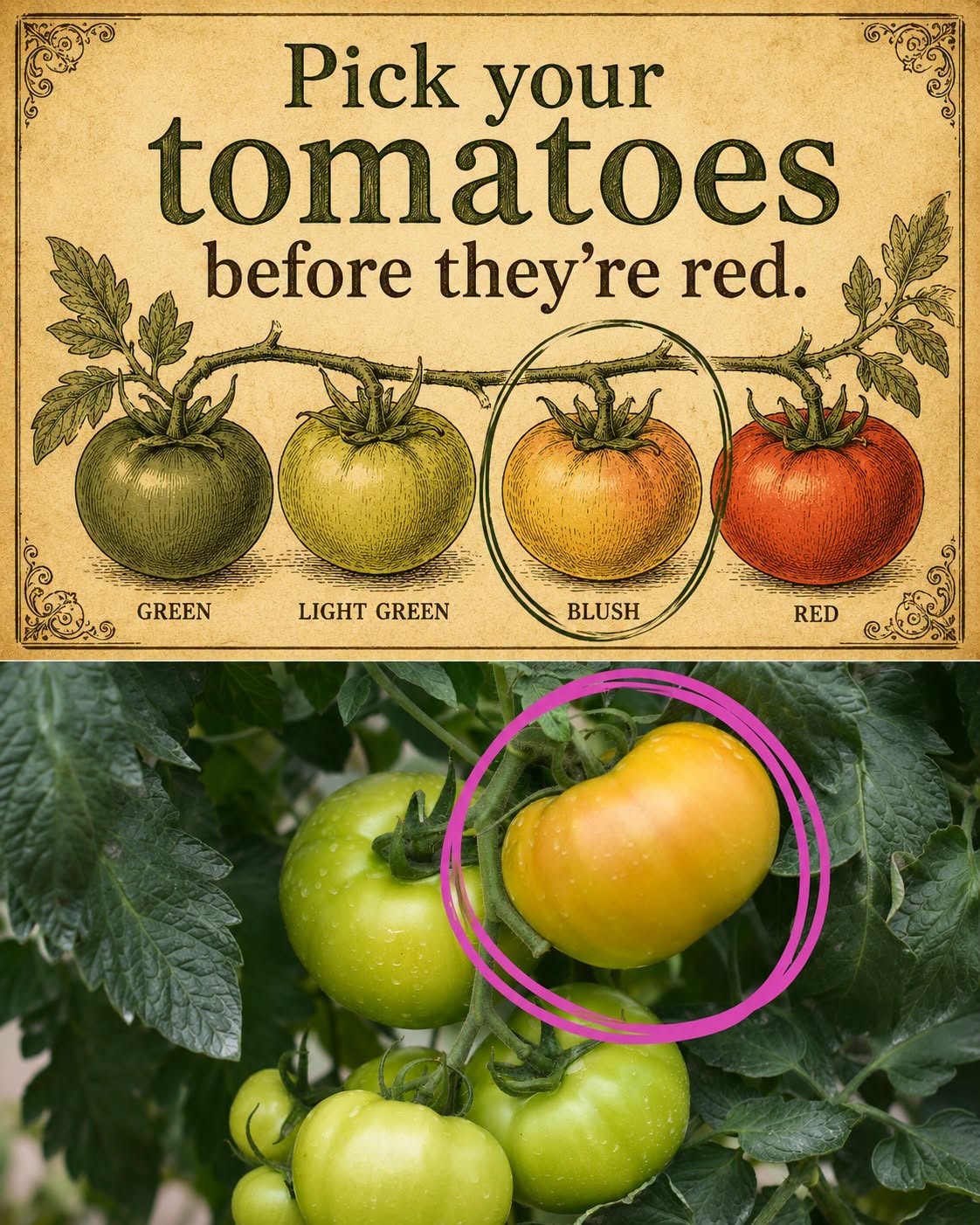
When was the last time you had a tomato that was absolute perfection? I’m talking about the kind where you put great slabs of it on a BLT, and as you eat it, the juices run down your hand. The texture is slightly granular and bursting with sun-warmed flavor and aroma. The kind of tomato where you forget there’s even bacon involved with your sandwich because the tomato is just that good.
Why does it always seem as though these tomatoes are few and far between?
What if I told you there are things you can do to improve the flavor of your tomatoes, so that you get more that are absolute perfection.
What Makes a Tomato Taste Great?
A bowl of yellow pear and cherry tomatoes
Much like growing grapes for wine, the soil you grow in and what you do over the course of a growing season can have an impact on the flavor of your tomatoes. But it’s important to know what makes tomatoes taste so good in the first place.
Three key elements give tomatoes their flavor, and it’s a balancing act between sugar, acid, and volatile organic compounds (VOCs).
First, let’s talk about sugars and acids, as there are several at play within tomatoes. It’s fair to say that sugar concentration and acidity are the backbone of good tomato flavor.
Tomatoes make sugar (fructose and glucose) and acid (citric, malic and ascorbic). Studies have shown that tomatoes higher in both sugar and acid score better on taste tests. Cherry-type tomatoes often rank high in flavor because they have higher levels of sugar and acid than most tomato varieties.
Now, as with most tastes, smell comes into play.
That’s where the volatile organic compounds come in. So far, over 400 different VOCs have been detected in tomatoes, but you don’t need a super nose to enjoy tomatoes, as only around 25-30 play a marked role in tomato flavor.
VOCs are aromatic molecules that easily evaporate into the air. They’re very delicate. In tomatoes, they interact with our olfactory receptors to shape the scent and flavor we perceive with each bite.
Together, this trinity of tastes and scents makes up the characteristic tomato flavor we all know and love.
Now, what can you do as a gardener to improve on them? Let’s take a look.
Tasty Tomatoes Have Good Genes
A bumper crop of Principe Borghese tomatoes ready to be sun-dried.
If you want to improve the flavor of your tomatoes, it all starts with genetics. To harvest exceptional-tasting tomatoes, you have to grow exceptional-tasting tomatoes.
If you’re growing a hybrid that’s been bred to be disease resistant, chances are the flavor has taken a hit in the name of being a sturdier tomato. I’m not saying that all hybrids are less flavorful, just that unless it was specifically bred for flavor, chances are you would do better with a different variety.
Plant geneticists have a handy formula to explain what I mean here: I = H x E. I being the individual plant, H being hereditary traits, and E being the environment it’s grown in. Basically, any individual tomato is only going to be as tasty as its genes and environment allow.
So start with tomatoes that have good genes where flavor is concerned.
Tomatoes with lettuce planted beneath
Hybrids
If you like hybrids, here are a few varieties bred specifically for flavor.
1. Mountain Magic (F1)
Type: Cocktail-sized (cherry/mini-salad)
Bred by: Dr. Randy Gardner, NC State University
Why it slaps: This tomato was developed for the mountain regions of the East Coast and offers disease resistance without sacrificing taste. It’s sweet with a balanced tang, firm, and holds well post-harvest. Great for snacking or roasting.
2. Sun Gold (F1)
Type: Cherry
Bred by: Tokita Seed Company, Japan
Flavor notes: Bursting with tropical, almost mango-like sweetness. One of the most popular hybrid cherry tomatoes ever, and for good reason—it consistently wins taste tests.
3. Sweet Million (F1)
Type: Cherry
Why it’s great: High yields, crack resistance, and—true to its name—a super-sweet flavor. Great for popping off the vine and tossing into salads.
4. BHN 1021 / Tasti-Lee (F1)
Type: Medium slicing
Bred by: University of Florida
Purpose: Bred as a field-grown grocery store tomato with actual taste. It has high lycopene content and good old-fashioned acidic bite with a sweet finish—far superior to the usual cardboard fare.
5. Big Dena (F1)
Type: Greenhouse beefsteak
Why it rocks: This European hybrid is grown commercially in the Netherlands for flavor—it’s juicy, balanced, and holds shape well. A good choice for those with hoop houses or controlled environments.
6. Sakura (F1)
Type: Cherry
Bred by: Known-You Seed Co.
Flavor profile: Sweet, rich, and thin-skinned. It often gets compared favorably to Sun Gold in trials, but with better crack resistance and shelf life.
7. Brandy Boy (F1)
Type: Large pink slicer
Bred by: Burpee
Hybrid twist: It’s a hybridized version of Brandywine with better yields, improved disease resistance, and nearly the same flavor. A good compromise if you’ve struggled growing Brandywine.
8. Rebelski (F1)
Type: Beefsteak
Bred for: Greenhouse use, but adaptable outdoors
Why it’s on the list: Deep red, crack-resistant, and with that old-school tomato flavor that’s often missing in greenhouse hybrids. Not as sweet as a cherry, but deeply tomato-y.
Heirlooms
For Complete Cooking STEPS Please Head On Over To Next Page Or Open button (>) and don’t forget to SHARE with your Facebook friends
ADVERTISEMENT

