
State
Designated Color
Alabama
Purple
Arizona
Orange
Arkansas
Purple
Florida
Purple
Idaho
Orange
Illinois
Purple
Indiana
Purple
Iowa
Purple
Kansas
Purple
Kentucky
Purple
Louisiana
Purple
Maine
Purple
Maryland
Blue
Missouri
Purple
Montana
Orange
Nebraska
Blue or Red
Nevada
Orange
New Hampshire
Purple
North Carolina
Purple*
Pennsylvania
Purple†
South Carolina
Purple
Tennessee
Purple
Texas
Purple
Utah
Orange or Yellow
Virginia
Purple or “Aluminum”
West Virginia
Purple
* In North Carolina, purple paint prohibits hunting, fishing, and trapping—but not necessarily general entry.
† In Pennsylvania, the law does not apply in Philadelphia or Allegheny County.
Note: State laws can change. Always verify current regulations with your state’s wildlife agency or legal resources.
📏 What Are the Legal Requirements for Purple Paint Markings?
While specifics vary by state, most Purple Paint Laws share common requirements
www.tasteofhome.com
:
✨ Color: Must be purple (or the state-designated color like orange or blue).
✨ Orientation: Vertical stripes only.
✨ Dimensions: At least 1 inch wide and 8 inches tall.
✨ Height: Positioned 3 to 5 feet above the ground.
✨ Spacing: No more than 100 feet apart along the property boundary.
✨ Visibility: Must be clearly visible from the approach direction.
✨ Surface: Can be applied to trees, fence posts, rocks, or other permanent objects.
Pro tip for landowners: Use high-quality, weather-resistant latex or spray paint. For trees, avoid oil-based paints that may harm bark.
❓ Why Purple?
Officials chose purple for practical reasons
www.usatoday.com
:
🔹 High visibility: Purple stands out against natural backgrounds like green foliage, brown bark, and gray stone.
🔹 Colorblind accessibility: Many people with red-green color blindness can still distinguish purple.
🔹 Not used in forestry: Unlike orange or yellow (common in logging or surveying), purple is rarely used for other land-marking purposes.
🔹 Durability: Paint lasts longer than paper or plastic signs, which can fade, tear, or be vandalized.
⚖️ What Happens If You Trespass Past Purple Paint?
Consequences vary by state and circumstance, but may include
www.usatoday.com
:
⚠️ Civil penalties: Fines ranging from $100 to $1,000+ depending on the state and severity.
⚠️ Criminal charges: Misdemeanor trespassing can result in jail time (typically up to 6 months for first offenses).
⚠️ Enhanced penalties: If trespassing involves hunting, damaging property, or ignoring posted warnings, penalties increase.
⚠️ Liability: Landowners may not be liable for injuries to trespassers in many states.
Important: “I didn’t know what the purple paint meant” is generally not a valid legal defense. When in doubt, turn around.
🚶 What Should You Do If You See Purple Paint?
If you encounter purple markings while outdoors:
1️⃣ Stop and assess: Are you on private property? Is there a trail or right-of-way you’re authorized to use?
2️⃣ Look for additional signage: Some landowners use both purple paint and traditional signs.
3️⃣ Respect the boundary: If you’re unsure, err on the side of caution and leave the area.
4️⃣ Ask permission: If you need to cross private land (for hunting, hiking, etc.), contact the landowner or check for public access programs.
5️⃣ Know your state’s rules: Research local trespassing laws before recreating on unfamiliar land.
🌲 For Landowners: Using Purple Paint Legally
If you’re a property owner considering purple paint to mark your boundaries:
✅ Check your state’s law first: Requirements for color, size, spacing, and placement vary.
✅ Document your markings: Take photos and note dates in case legal questions arise.
✅ Combine methods if helpful: Purple paint + occasional traditional signs can improve clarity for visitors.
✅ Maintain visibility: Repaint faded marks every 2-3 years to ensure they remain legally valid.
✅ Inform neighbors: A quick heads-up can prevent misunderstandings.
❓ Frequently Asked Questions
Does purple paint mean “no hunting” or “no entry”?
In most states, it means no unauthorized entry of any kind. In North Carolina, purple paint specifically prohibits hunting, fishing, and trapping—but not necessarily walking. Always verify your state’s wording
worldpopulationreview.com
.
What if the purple paint is faded or hard to see?
Legally, markings must be “clearly visible.” If paint is severely faded, it may not hold up in court. Landowners should maintain their markings.
Can I use purple paint if my state doesn’t have the law?
You can paint your property any color you like—but without a Purple Paint Law on the books, the marks have no legal standing as trespassing warnings. Traditional signs are still required.
What about other colors like orange or blue?
Some states designate different colors (e.g., Maryland uses blue; Montana uses orange). Always use the color specified in your state’s statute
worldpopulationreview.com
.
Does this apply to water boundaries?
Generally, no. Purple paint laws apply to terrestrial property lines. Waterfront trespassing laws vary and often require separate signage.
💙 A Gentle Reminder: Respect Goes Both Ways
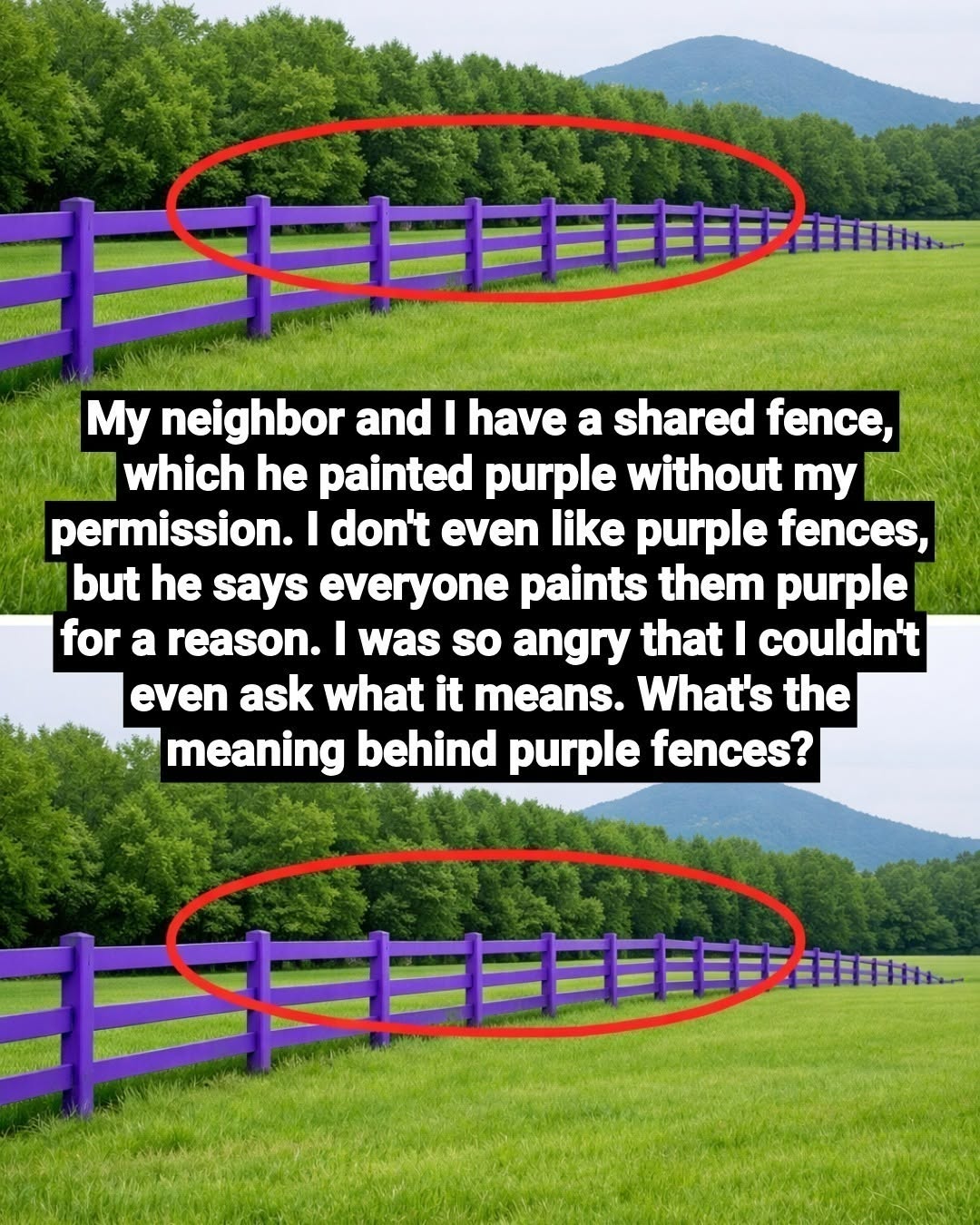
Whether you’re a hiker, hunter, landowner, or curious neighbor, the Purple Paint Law exists to clarify boundaries and reduce conflict.
🔹 For visitors: When you see purple, respect it. It’s a simple, clear signal that someone’s home, farm, or sanctuary lies beyond.
🔹 For landowners: Use the law thoughtfully. Clear markings protect your property and help well-meaning people avoid mistakes.
🔹 For everyone: Open communication—asking permission, posting clear signs, sharing access when possible—builds stronger communities.
ADVERTISEMENT

