
4. Lighter Pots That Are Easier To Move Around
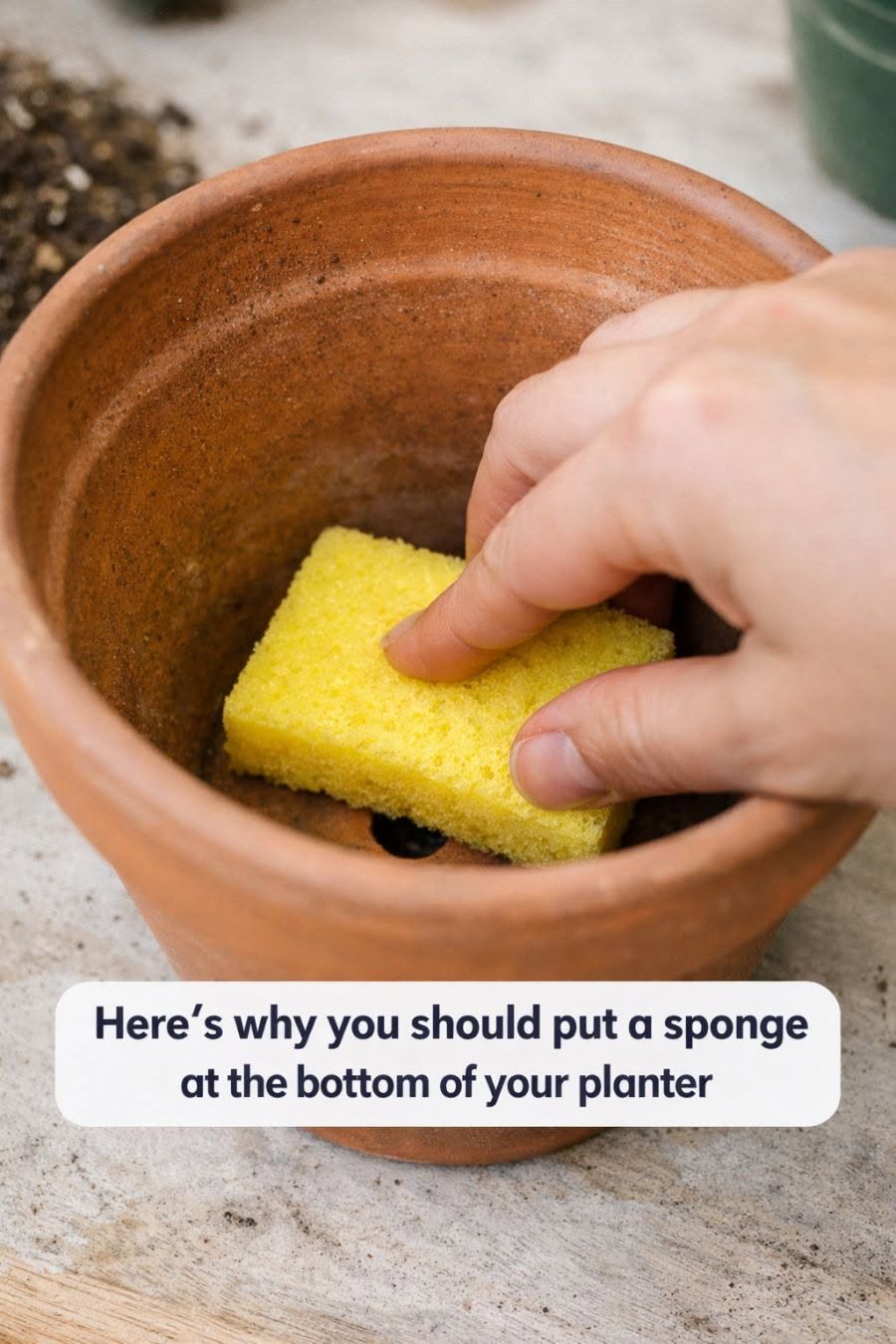
Planters filled entirely with soil can be heavy and difficult to move, especially if you like to rearrange your garden or bring plants indoors during colder months. By using a sponge, you can reduce the overall weight of the pot without sacrificing soil volume.
This is particularly advantageous for larger containers or for those who have limited mobility. The sponge adds a lightweight layer that doesn’t compromise the structural integrity of the soil, making it easier to transport your plants as needed.
5. Reducing Mess And Soil Loss From Drainage Holes
Soil loss through drainage holes is a common issue that can create a mess on patios and indoor areas. A sponge acts as a barrier, preventing soil from escaping while still allowing water to drain efficiently.
This can help keep your gardening area tidier and minimize the need for frequent cleanup. Additionally, it ensures that more of your valuable soil stays within the pot, providing a stable environment for your plants’ roots.
6. Saving Water And Fertilizer With Better Retention
Water conservation is an important consideration for environmentally conscious gardeners. A sponge can help reduce water waste by capturing what would otherwise drain away and evaporate. This means you can water less frequently, saving both water and time.
Moreover, the sponge can also help retain fertilizers dissolved in the water, ensuring that more nutrients remain available to your plants rather than being washed away. This can lead to healthier growth and more efficient use of resources.
7. Repurposing Old Household Sponges For Sustainable Gardening
Using sponges in planters is not only beneficial for your plants but also a great way to repurpose old household items. Instead of discarding worn-out sponges, you can give them a new life in your garden
.
Ensure that the sponges are cleaned thoroughly and free of any chemicals before use. This sustainable practice reduces waste and makes use of materials that would otherwise end up in a landfill.
8. When A Sponge Works Best — And When It Doesn’t
While the sponge method can be highly effective, it’s not suitable for every plant or situation. Plants that require extremely well-draining soil, such as succulents or cacti, may not benefit from the additional moisture retention.
Conversely, plants that thrive in more humid environments, like ferns and tropical species, can benefit greatly from the consistent moisture levels provided by a sponge. Understanding your plants’ specific needs will help you determine when this method is most appropriate.
9. Step-By-Step: How To Add A Sponge To Any Planter
To incorporate a sponge into your planter, start by selecting a clean, unused sponge. If necessary, cut the sponge to fit the bottom of your pot. Place the sponge flat at the base, ensuring it covers the drainage holes.
Next, add a layer of gravel or small rocks on top of the sponge to enhance drainage further. Fill the rest of the pot with soil, leaving enough room for your plant. Water thoroughly to allow the sponge to absorb and distribute moisture evenly.
10. Common Mistakes To Avoid With The Sponge Method
One common mistake is using a sponge that’s too small, which won’t cover the drainage holes effectively. Ensure the sponge fits snugly at the bottom of the pot. Another issue is neglecting to clean the sponge, which can introduce bacteria or residues into the soil.
Over-reliance on the sponge for watering needs can also be problematic. It’s important to monitor soil moisture levels regularly and adjust your watering schedule accordingly to prevent overwatering or underwatering.
11. Alternative Materials If You Don’t Have A Sponge Handy
If you don’t have a sponge available, there are several alternative materials you can use to achieve similar results. Old cotton cloths or pieces of felt can act as a moisture-retaining layer at the bottom of your pot.
Another option is using coconut coir, which is a natural fiber that offers excellent water retention capabilities. These materials can serve as effective substitutes, providing the same benefits as a sponge in your planter.
ADVERTISEMENT

