
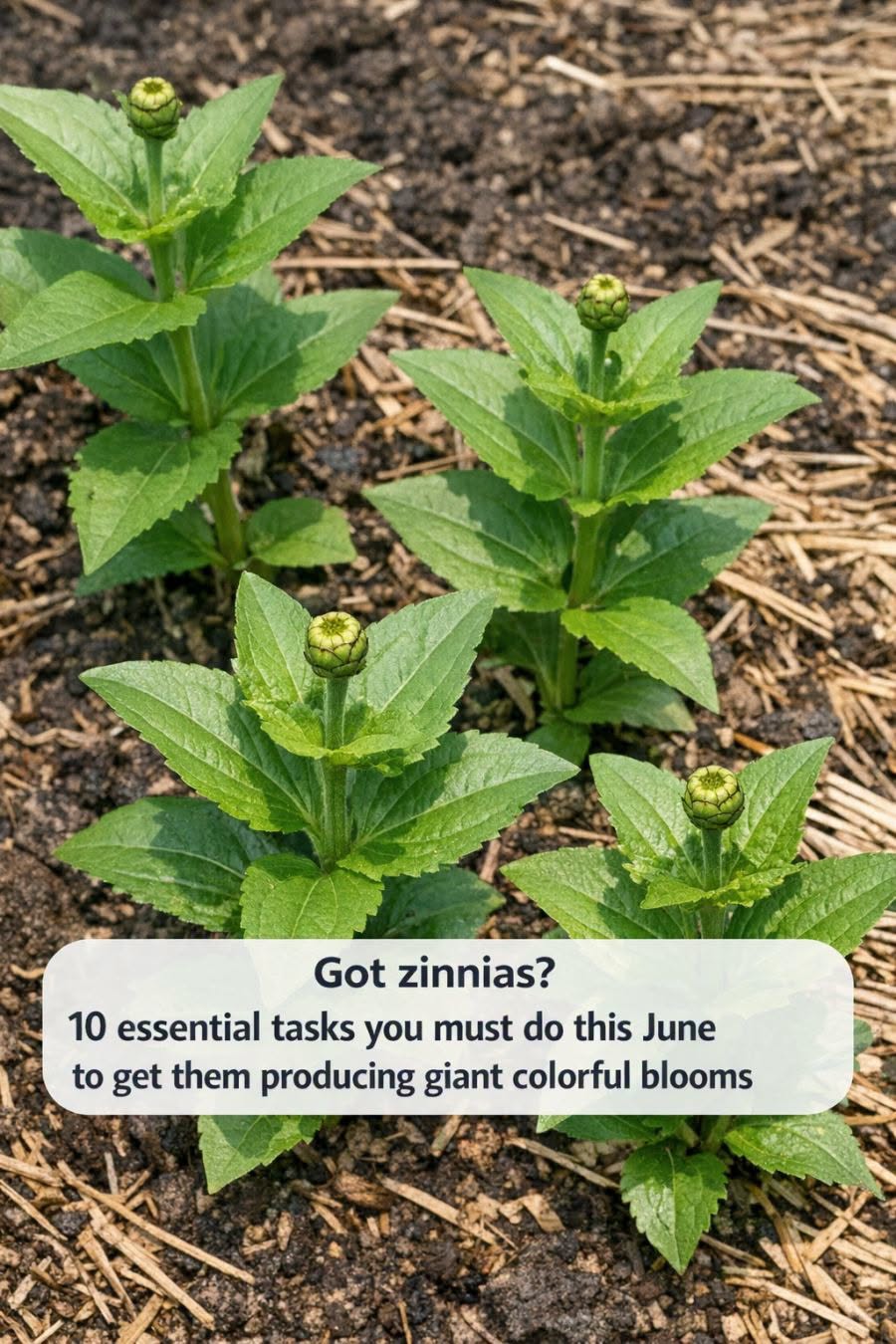
A 2 to 3 inch layer of organic mulch, such as shredded bark or straw, will help retain soil moisture and suppress weed growth around your zinnias. Apply mulch after the soil has warmed in June, keeping it a few inches away from the plant stems to prevent rot.
Mulching not only conserves moisture but also regulates soil temperature, providing a more stable environment for your zinnias to thrive. Additionally, mulch breaks down over time, adding beneficial organic matter to the soil.
7. Patrol Daily for Mildew, Leaf Spots, and Early Pests
Zinnias are relatively hardy, but they can still fall victim to pests and diseases, particularly in humid conditions. Check your plants daily for signs of powdery mildew, leaf spots, or insect infestations like aphids or spider mites.
If you notice any issues, address them promptly. Use insecticidal soap for pests or a fungicide for mildew and leaf spots. Early intervention is key to preventing minor problems from becoming serious threats to your zinnia crop.
8. Stake or Support Tall Varieties Before They Flop
Some zinnia varieties can grow quite tall and may require support to prevent them from toppling over. Install stakes or a supportive grid system around plants that are 2 to 3 feet tall, ideally before they start leaning.
Use soft garden ties or twine to gently secure the stems to the stakes, allowing enough room for growth. Proper support not only keeps the plants upright but also improves air circulation and reduces the risk of disease.
9. Cut Blooms Aggressively to Encourage More Buds
Regularly cutting zinnia blooms for indoor arrangements is a great way to encourage more flowers. Snip stems just above a set of leaves, leaving a few inches of stem behind.
This practice stimulates the plant to produce additional buds and prolongs the blooming period. As a bonus, you get to enjoy fresh zinnia bouquets indoors while supporting continuous flowering in the garden.
10. Save and Succession-Sow Seeds for Nonstop Color
To keep your zinnia display going strong, consider saving seeds from your best plants for future sowing. Allow a few blooms to mature and dry on the plant, then collect the seeds for planting next year.
Additionally, practice succession sowing by planting new zinnia seeds every few weeks throughout June and early July. This ensures a constant supply of fresh blooms as older plants begin to fade. Succession planting is an easy way to maintain a vibrant garden with minimal effort.
ADVERTISEMENT

