
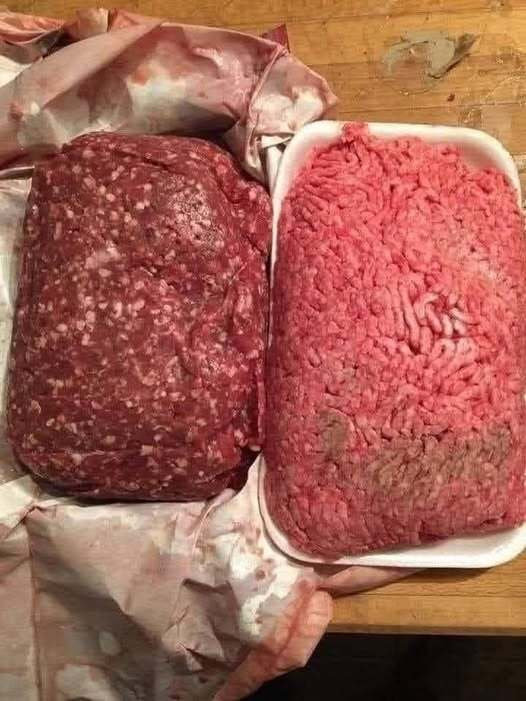
Online, frustration turned to fury. Shoppers posted photos, receipts, even videos of meat shrinking dramatically in the pan. The betrayal felt personal.
And it raised bigger questions:
Where does our food really come from?
What happens between the farm and the shelf?
How many hands touch it before it reaches ours?
And how much do labels actually reveal?
Food transparency advocates have warned for years that the supply chain is too complex, too opaque, and too vulnerable to shortcuts. Now, everyday shoppers were seeing it firsthand.
Experts offered practical advice:
Read labels carefully—especially the fine print.
Stick with brands known for consistency.
Buy from local butchers or farms when possible.
Research companies, not just products.
Stay informed about recalls and public reports.
These steps won’t fix the system, but they offer a small edge in a marketplace built for speed, not scrutiny.
Meanwhile, regulators have launched reviews. Some distributors may face fines. Others may see tighter oversight. Whether these changes stick—or fade once the headlines do—remains to be seen.
For now, supermarkets are in damage control. They’re issuing statements, tightening supplier standards, and trying to reassure customers that what’s on the shelf is what it claims to be.
But this story isn’t just about meat. It’s about trust.
Consumers don’t want to guess what they’re feeding their families.
They don’t want marketing dressed up as honesty.
They don’t want to pay premium prices for bargain-bin quality.
They want transparency.
They want choice.
They want respect.
And they deserve all three.
This wasn’t a food crisis. It was a trust crisis. And that’s harder to fix. Because trust isn’t rebuilt with coupons or PR campaigns.
It’s rebuilt when companies stop assuming customers won’t notice.
When the food industry stops cutting corners behind closed doors.
When labels finally tell the truth—all of it.
Until then, shoppers will keep looking closer, reading deeper, and asking harder questions.
And maybe that’s the silver lining: once consumers start paying attention, they rarely stop.
ADVERTISEMENT
